Leisure at Home: Five Expert Gardening Tips to Transform How You Enjoy Your Outdoor Space
The concept of leisure has shifted in recent years. Where gardens were once treated mainly as visual backdrops or maintenance tasks, many homeowners now see them as functional extensions of their living space. Industry data reflects this change: the Royal Horticultural Society has reported sustained growth in membership and garden centre visits through 2025, while spending on outdoor furniture, lighting, and landscaping tools remains above pre-2020 levels. Much like the way people now approach indoor leisure more deliberately — whether selecting a streaming service or navigating Ireland’s online casino options with care — outdoor spaces are receiving the same considered attention.
This article draws on current horticultural guidance and landscape design principles to outline five practical strategies for turning a garden into a genuine leisure destination. The focus is on thoughtful adjustments rather than major renovations: changes that improve comfort, reduce effort, and encourage regular use rather than passive admiration.
1. Design for Use, Not Just Aesthetics
One of the most common garden planning mistakes is treating the space as purely visual. Effective design begins with a simple question: how will the garden actually be used? Landscape architects refer to this approach as functional zoning - dividing a garden into areas based on activity rather than plant type.
A practical layout might include a sheltered reading corner, a seating area designed for conversation, and a separate working zone for composting or potting. These areas should be clearly defined, even informally, using low hedging, raised planters, or changes in surface material.
The benefits are tangible. Research from the University of Sheffield’s Department of Landscape Architecture shows that well-structured outdoor spaces increase both how often and how long people use them - a key objective for any leisure-focused garden.
2. Prioritise Low-Maintenance, High-Impact Planting
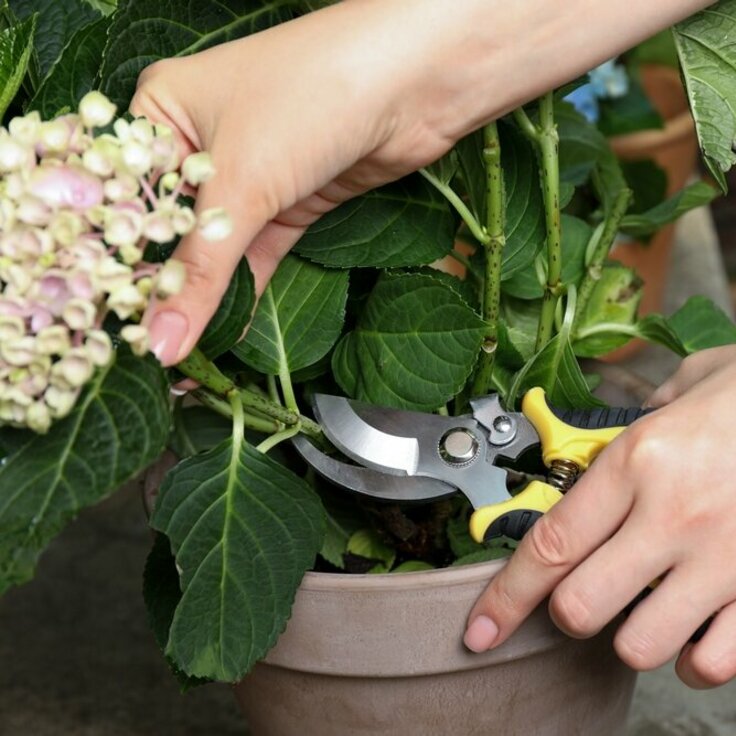
Enjoyment often increases when maintenance demands decrease. This doesn’t mean removing planting altogether, but choosing species that offer year-round interest with minimal intervention.
Perennial grasses such as Stipa tenuissima and Hakonechloa macra provide movement and texture without frequent upkeep. Evergreen shrubs like Portuguese laurel and Sarcococca confusa maintain winter structure and add fragrance during colder months.
Grouping plants by water needs — known as hydrozoning — further reduces maintenance while improving plant health. Drought-tolerant species are placed in sunny, free-draining areas, while moisture-loving plants are grouped in shadier or lower sections.
3. Build Comfort into the Infrastructure
A leisure-oriented garden must feel comfortable as well as look appealing. Practical infrastructure helps extend both daily and seasonal use.
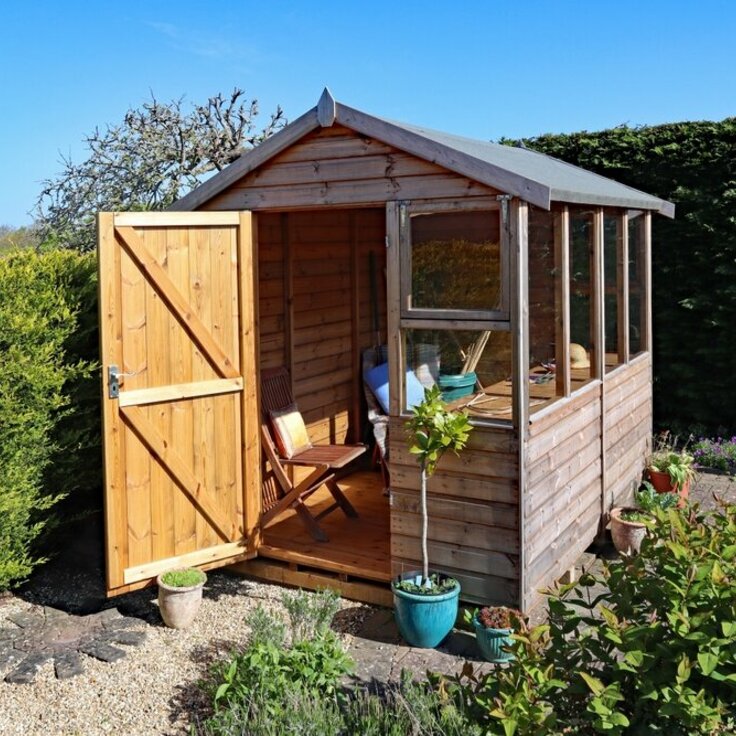
Shelter: Pergolas, canopies, or mature trees provide shade in summer and protection from wind. Flexible or retractable options allow adaptation to changing weather.
Lighting: Warm, low-level lighting (around 2,700K) creates an inviting atmosphere after dark without the harshness of security lights. Solar path lights and portable lanterns offer simple, wire-free solutions.
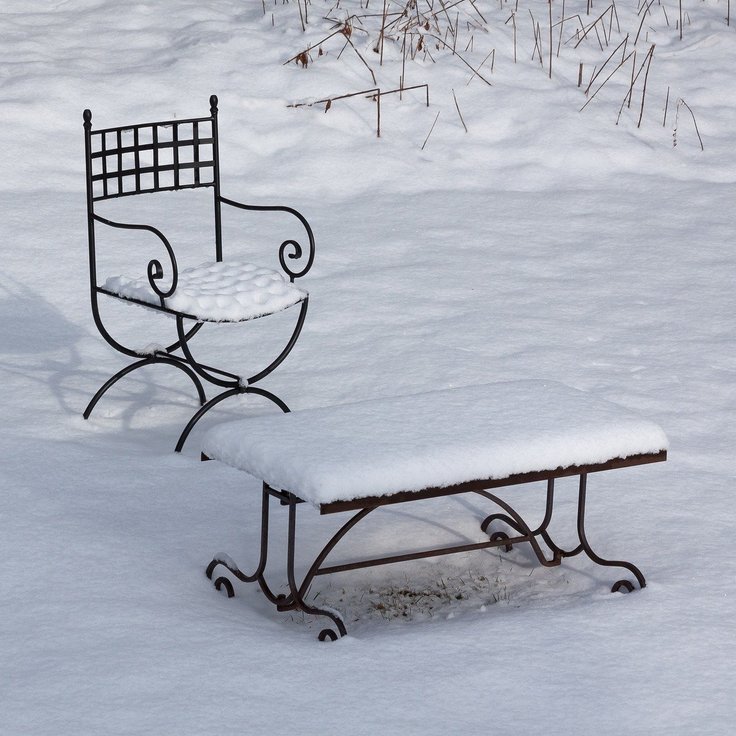
Seating: Durable, weather-resistant furniture that can stay outdoors year-round removes a major barrier to spontaneous use. Teak, treated metal, and high-quality polypropylene are reliable choices.
4. Engage All Five Senses
Gardens designed only for visual appeal overlook much of what makes outdoor time restorative. Sensory garden design enhances relaxation by engaging sound, scent, and touch as well as sight.
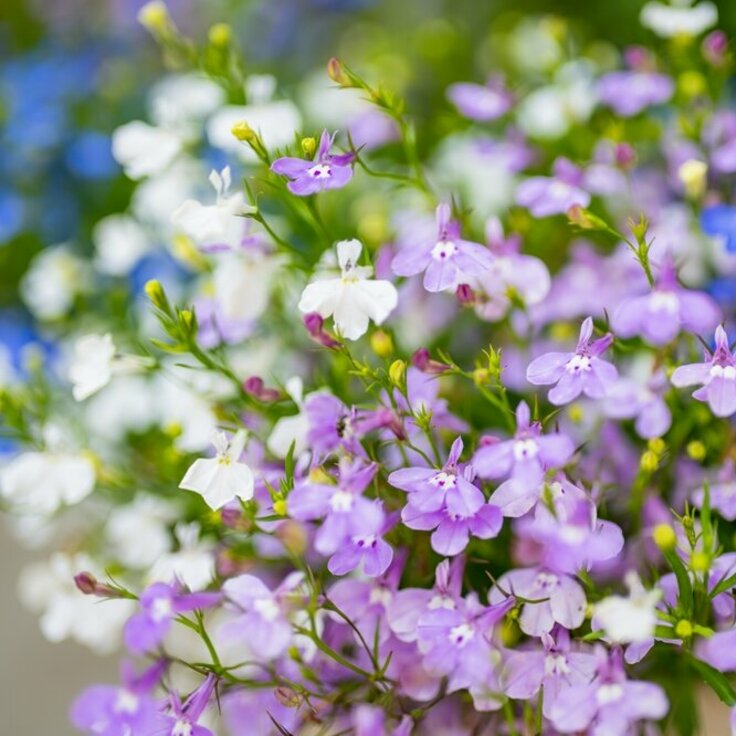
Water features, rustling grasses, or wind chimes introduce gentle sound. Fragrant plants such as lavender, jasmine, and rosemary are most effective when placed near paths or seating. Textural contrasts — from smooth stone to soft foliage — invite physical interaction.
Research published in the International Journal of Environmental Research and Public Health shows that multi-sensory environments reduce stress more effectively than visually focused spaces alone.
5. Think in Seasons, Not Snapshots
A leisure garden should offer value year-round, not just in summer. Seasonal planning ensures ongoing interest.
Winter structure comes from evergreen hedging, architectural conifers, and trees with distinctive bark, such as Betula utilis. Spring interest can be established with bulbs like snowdrops, crocuses, and Narcissus ‘Thalia’. Autumn colour is delivered by species such as Acer palmatum and Amelanchier lamarckii, extending visual appeal into late autumn.
Seasonal layering ensures the garden always has something to offer, making it a reliable leisure space rather than a fair-weather feature.
The Bigger Picture: Leisure as a Design Discipline
What connects these strategies is intentionality. A leisure-focused garden isn’t defined by cost or complexity, but by planning around real habits and needs.
The most successful outdoor spaces are designed with the same care as interiors: clear purpose, suitable materials, comfort, and an emphasis on everyday use. Whether it’s a quiet reading spot, a place to entertain, or somewhere to enjoy a cup of tea, the principles remain consistent.
Viewing the garden as a leisure environment rather than a maintenance task is a small shift in perspective that delivers lasting improvements in quality of life — especially as home-based leisure continues to grow in importance.