Therapeutic Gardens Take Root in Women's Wellness Routines
Until fairly recently, the term "therapeutic garden" mostly belonged to healthcare design. It described planned outdoor spaces at cancer centers, hospices, and dementia care facilities where research had shown measurable benefit to patients and their families. That meaning still exists. Over the past five years, though, the term has acquired a second life outside healthcare.
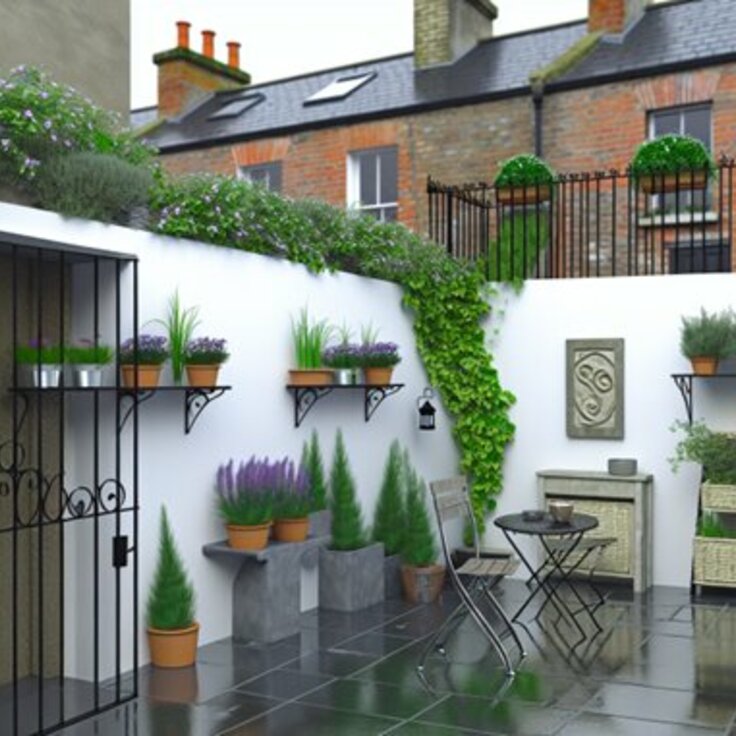
You now find it on backyard patios and apartment balconies, in the saved Pinterest boards of women who would not have called themselves gardeners as recently as spring 2020. Scrolling and 1xbetting apps have earned their spot in the evening wind-down, and so, more and more, have herb planters and pollinator beds tended by women in midlife.
Horticultural therapists have noticed. Their professional association has reported climbing inquiries through 2023 and 2024, much of that demand coming from individuals looking to bring some of the same design thinking into their own outdoor space.
What Counts as a Therapeutic Garden
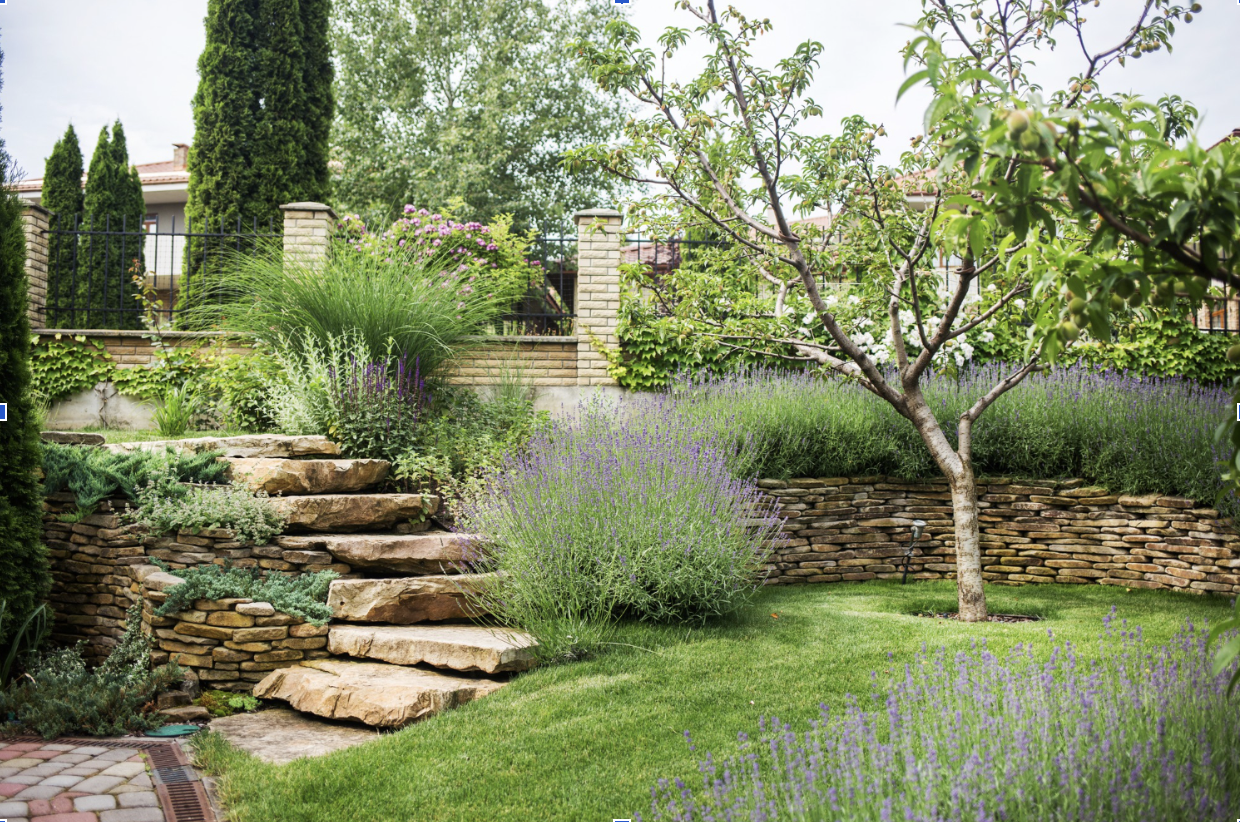
In the strict sense, a therapeutic garden is designed by someone trained in horticultural therapy and built around outcomes its users came for, like cancer recovery or anxiety reduction. The American Horticultural Therapy Association has been publishing design principles for decades, many of which read closer to neuroscience than aesthetics. Curving paths, for instance, exist because curves slow walking pace and lower hypervigilance, a small detail on paper that compounds across a visit.
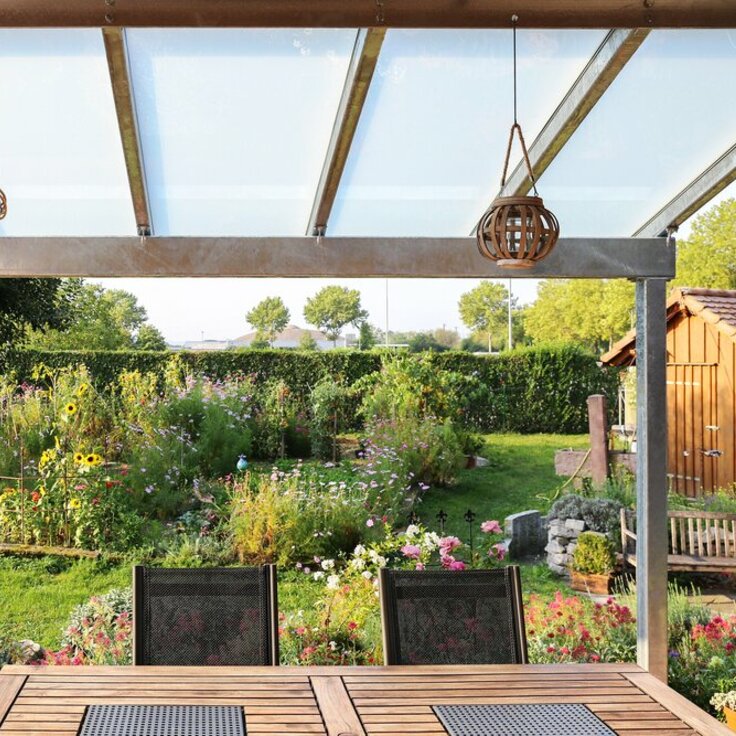
The home versions you see on Instagram are looser interpretations. Nobody is building a clinical program on a fire escape. What women are doing is borrowing the underlying idea. They want a small outdoor space, set up with some intention, where stepping into it reliably changes their state.
Why the Idea Has Found an Audience
Several developments fed this.Forest bathing research, derived from the time tested practice of shinrin-yoku, has been demonstrating cortisol and blood pressure reductions since the 1980's. By 2020, asuitscrush generation of women babied in by months of being trapped in tiny spaces took up gardening as a way to use their hands and realized they weren_pad quite finished with it.
It also helps that gardening has few barriers. Beyond the initial setup, there's not much equipment or booking involved. You can spend five minutes watering basil before work and count it, or lose a whole Saturday afternoon to weeding without realizing time passed. Women interviewed about their gardens often cite this lack of pressure as the draw. Few wellness practices arrive without progress tracking or scheduled check-ins attached.
What the Research Adds
A 2022 University of Florida study, published in PLOS ONE, conducted eight gardening or art-making sessions with 32 healthy women aged 26 to 49. Both activities had positive effects, but the gardening group demonstrated measurable improvements in markers of anxiety and mood not seen in the art group. A 2025 systematic review in Discover Public Health synthesized findings from multiple home garden studies and concluded the aggregate evidence is sufficient to consider home gardening a public health tool and not just a lifestyle choice.
Patterns that turn up repeatedly in the research:
-
Cortisol levels measured in saliva drop after sessions as short as 20 minutes
-
Sleep quality tends to be better among regular gardeners than among sedentary peers
-
Rumination and intrusive thinking decrease, especially under chronic stress
-
The strongest effects appear in women going through midlife transitions
Researchers have also begun testing digital approximations like VR gardens and countertop herb systems. Early findings suggest partial benefit, mainly for people without access to outdoor space.
A Reasonable Starting Point
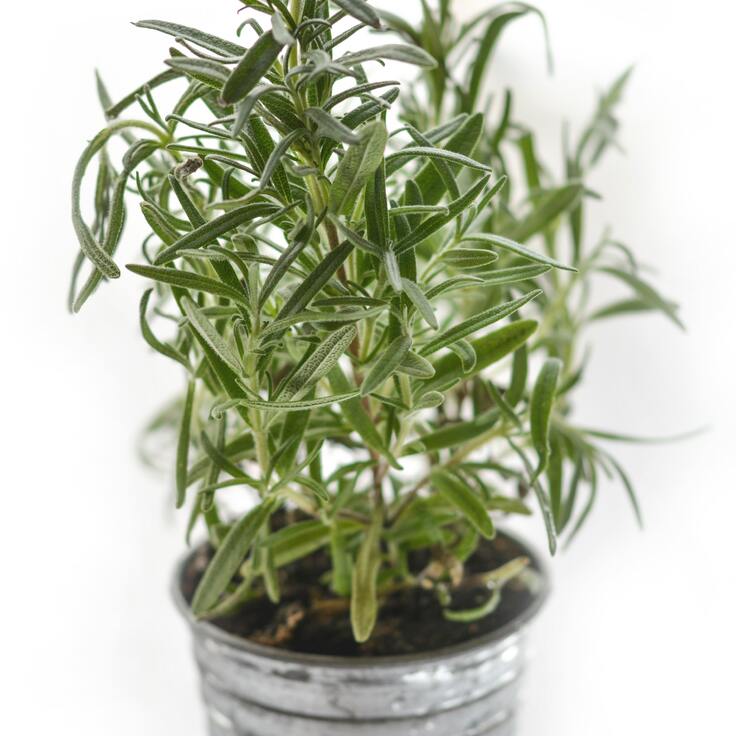
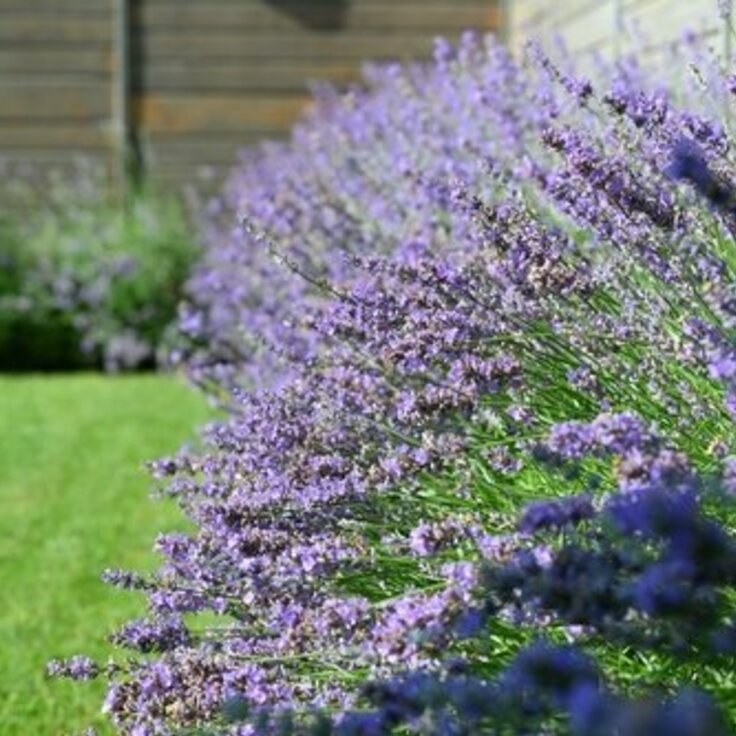
You don’t need a lot to get started. Three plants you truly enjoy looking at, positioned where you wave at them each day as you walk past, will do a lot more than a thirty-piece raised-bed setup that you’ll hate in a month. Lemon balm and lavender make allowances for novices mistakes. Mint makes up for them so vigorously that it invades everything you allow it to grab hold of.
Things that tend to help first-timers stay with it:
-
Start small, and resist expanding before the first plants are doing well
-
Choose by scent rather than appearance, since smell drives much of the calming effect
-
Keep a chair near the garden, so sitting becomes part of the routine
-
Avoid framing the time as another task to check off
What stands out about this category of research is the consistency. Studies done inside clinical horticultural therapy programs and surveys of home gardeners at the population level keep landing in roughly the same place when it comes to stress and mood.